




MEMBRANES FOR VAC-U-CLAMP VACUUM PRESSES
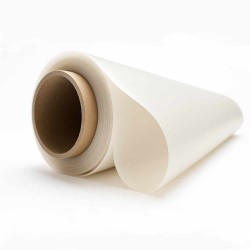
- Thickness: 2.0 mm
- Width: 1600 mm (5,4 ft)
- Length: 3050 mm (10 ft)
- Hardness: 40 Shore A
- Area of application: Veneer pressing, wood bending, composites.
- Compatibility: Vac-U-Clamp SP-10500.
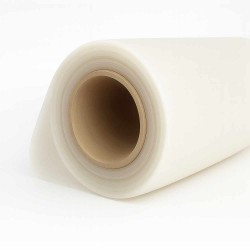
- Thickness: 2.0 mm
- Width: 1600 mm (5,4 ft)
- Length: 3700 mm (12 ft)
- Hardness: 40 Shore A
- Area of application: Veneer pressing, wood bending, composites.
- Compatibility: Vac-U-Clamp SP-12500.
The role of the membrane in Vac-U-Clamp vacuum presses
Regardless of the Vac-U-Clamp press model, the membrane is the working element that directly contacts the workpiece. Its elasticity, thickness, heat resistance, and wear resistance determine the quality of material bonding, shape accuracy, and overall process stability.
Using an unsuitable or worn membrane can prevent even a reliable press from achieving uniform pressure, leading to surface defects, film wrinkles, or poor veneer adhesion.
Membranes for Vac-U-Clamp: rubber and silicone
This category includes rubber and silicone membranes compatible with Vac-U-Clamp vacuum presses. The selection depends on the type of operation, working temperature, and required elasticity.
- Rubber membranes — an optimal choice for veneering, plywood pressing, and standard laminating processes at moderate temperatures.
- Silicone membranes — designed for high-temperature applications, thermoforming, sublimation, and PVC foil pressing.
All membranes are intended for industrial use and ensure even pressure distribution across the entire workpiece surface.
Membrane supply to the USA and Canada
We supply membranes for Vac-U-Clamp vacuum presses to the United States and Canada, ensuring compatibility with the most common press models and the requirements of the North American market.
Proven logistics, industrial-grade materials, and task-specific membrane selection allow our solutions to be used in both small workshops and production facilities.
A practical approach to membrane selection
Choosing a membrane for a Vac-U-Clamp press should consider not only table size but also production requirements: material type, cycle temperature, forming depth, and equipment usage intensity.
A properly selected membrane extends press service life, reduces scrap rates, and ensures consistent product quality in daily operation.