




Vacuum Press Membrane Replacement: Step-by-Step Guide for Woodworking Shops
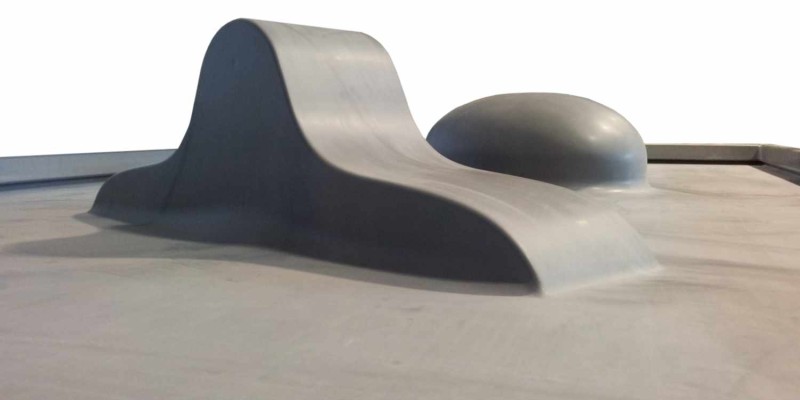
Vacuum presses are essential equipment in modern woodworking and furniture manufacturing. They allow laminating MDF panels, performing veneering, pressing PVC foil, and producing complex curved parts with uniform pressure and high precision.
At the center of this technology lies one key component — the vacuum press membrane.
Over time, membranes inevitably wear out due to mechanical stress, high temperatures, and continuous production cycles. When this happens, timely membrane replacement becomes necessary to maintain product quality and prevent equipment downtime.
This guide explains the vacuum press membrane replacement process step by step, helping woodworking companies understand when and how to perform the replacement correctly. Whether you are performing routine vacuum press maintenance or replacing a damaged membrane, this guide is based on practical experience from industrial production environments.
Why Vacuum Press Membranes Need Replacement
The vacuum press membrane operates under demanding conditions. During each pressing cycle, it stretches over the workpiece while vacuum pressure presses it tightly against the surface.
In facilities where panels are laminated or veneered daily, the membrane may stretch thousands of times per day. Over time, this repeated deformation leads to material fatigue.
Main reasons for membrane replacement:
- natural aging of the material,
- mechanical wear,
- overheating during high-temperature pressing,
- accidental cuts or punctures,
- exposure to adhesives and chemicals.
Even high-quality silicone or natural rubber membranes gradually lose elasticity and strength.
When the membrane begins to wear, it may cause:
- uneven pressure distribution,
- poor adhesion of foil or veneer,
- wrinkles during pressing,
- vacuum leaks and reduced vacuum level.
Timely membrane replacement allows the vacuum press to continue operating reliably and efficiently.
Signs That the Membrane Needs Replacement
Early detection of wear helps prevent production problems.
Main signs of membrane wear:
Visible cracks and damage
Over time, small cracks may appear on the membrane surface, especially in areas that are repeatedly stretched.
Loss of elasticity
If the membrane becomes stiff and no longer follows the shape of parts properly, this is a clear sign of material aging.
Reduced vacuum level
A damaged membrane may allow air leakage, preventing the press from reaching the required vacuum level.
Uneven pressure marks
If finished parts show pressure marks or poor adhesion, the membrane may not be functioning correctly.
Permanent deformation
If the membrane does not return to its original shape after pressing, its service life is almost exhausted.
In most production environments membranes are replaced every 6–24 months depending on usage intensity and pressing temperature.
Preparing for Vacuum Press Membrane Replacement
Proper preparation is important before starting the replacement.
Required tools and materials
Typically the following items are required:
- new vacuum press membrane,
- new sealing profile,
- wrench set and hex keys,
- membrane cutting knife,
- cleaning cloths,
- alcohol or mild solvent,
- protective gloves.
The new membrane must match:
- thickness,
- dimensions (always order the membrane at least 5 cm larger than the frame size),
- material type.
For example:
- silicone membranes are commonly used for PVC foil thermoforming,
- natural rubber membranes are typically used for veneering,
The correct membrane material directly affects durability and pressing quality.
Step-by-Step Vacuum Press Membrane Replacement
Step 1 — Turn off the vacuum press
Safety should always come first.
Before starting the replacement:
- switch off the press,
- disconnect power if necessary,
- release the vacuum,
- allow the machine to cool down.
Working with a hot press may damage the new membrane and create safety risks.
Step 2 — Remove the membrane frame
In most vacuum presses the membrane is fixed inside a clamping frame.
- bolts,
- screws,
- clamps,
- quick-release fasteners.
Carefully remove all fasteners and lift the frame.
On large industrial presses the frame can be heavy, so assistance from another technician may be required.
Step 3 — Remove the old membrane
After removing the frame inspect the sealing profile. If it is worn or damaged it should also be replaced. After inspection the worn membrane and seal can be removed.
They are usually fixed with clamping strips along the perimeter.
Procedure:
- Mark or remember the position of the clamping strips,
- Remove the clamping strips and sealing profile,
- Remove the old membrane,
- Clean off remaining material, adhesive and debris.
If the membrane was torn, ensure no fragments remain in the frame.
Any debris can compromise the airtight seal of the new installation.
Step 4 — Clean the frame
Cleaning the frame is an important part of vacuum press maintenance.
- remove dust and adhesive residues,
- wipe the frame surface,
- clean grooves and corners.
A clean and smooth surface ensures proper membrane sealing.
Step 5 — Position the new membrane
Fill the inner cavity of the membrane frame. This helps prevent membrane sagging during installation.
Remove the new membrane from its packaging and carefully position it on the frame.
- centered position,
- evenly distributed,
- free of folds or sagging,
- install the sealing profile.
Some membranes have different surface sides, therefore follow manufacturer recommendations.
Step 6 — Secure the membrane
- tighten the sides alternately,
- avoid excessive stretching,
- maintain symmetrical tension.
Overstretching may significantly reduce membrane lifespan.
The membrane should be firmly fixed but not overstretched.
Step 7 — Trim excess material
- carefully trim the membrane along the frame edge,
- avoid cutting the clamped section,
- leave a small margin if necessary.
Step 8 — Reinstall the frame
- ensure the frame sits evenly,
- tighten all fasteners,
- the membrane surface should be smooth and slippery,
- apply talcum powder if necessary,
- the sealing profile must evenly contact the working table surface,
Talc is a powder that improves membrane sliding over the workpiece surface.
Step 9 — Test the press
- check vacuum level,
- observe membrane movement,
- ensure there are no air leaks,
- verify uniform pressure.
It is recommended to run a test cycle without parts to ensure correct installation.
When the Membrane Frame Seal Needs Replacement
Sometimes the issue is not only the membrane but also the sealing profile.
Over time the seal may deform or wear out.
- uneven clamping of the membrane frame,
- difficulty closing the press,
- visible defects,
- persistent vacuum leaks.
In such cases replacing the membrane frame sealing profile is necessary to restore proper vacuum sealing and press performance.
Best Practices for Vacuum Press Maintenance
Temperature control
Excessive temperature accelerates membrane aging.
Avoid sharp edges
Sharp workpiece edges may puncture the membrane.
Regular cleaning
Adhesive residue and debris may damage the membrane surface.
Sealing profile inspection
Avoid adhesive contamination and monitor the condition of the seal.
Regular inspections
Routine visual inspection helps detect damage early.
Choose the Right Silicone or Rubber Membrane
Silicone membranes
- high temperature resistance,
- excellent elasticity,
- universal solution.
Used for presses operating up to 200°C or higher, for example in artificial stone forming and PVC foil pressing.
Natural rubber membranes
- lower cost,
- good elasticity,
- excellent resistance to mechanical damage.
Commonly used in woodworking for veneering and laminating.
How Often Should the Membrane Be Replaced
- number of pressing cycles,
- temperature,
- material type,
- operating conditions.
On average membranes last from 6 months to 2 years.
Large production facilities may replace membranes more frequently, while smaller workshops may use them longer.
Regular inspection helps determine the optimal replacement interval.
Conclusion
A properly selected and functioning membrane is a key element of efficient vacuum press operation.
Understanding the vacuum press membrane replacement process helps woodworking companies maintain stable product quality and avoid costly downtime.
Following the correct replacement procedure — from removing the old membrane to testing the press — ensures reliable and long-term operation of the equipment.
Regular maintenance, proper membrane material selection, and careful installation significantly extend equipment lifespan and ensure high-quality finished products.