

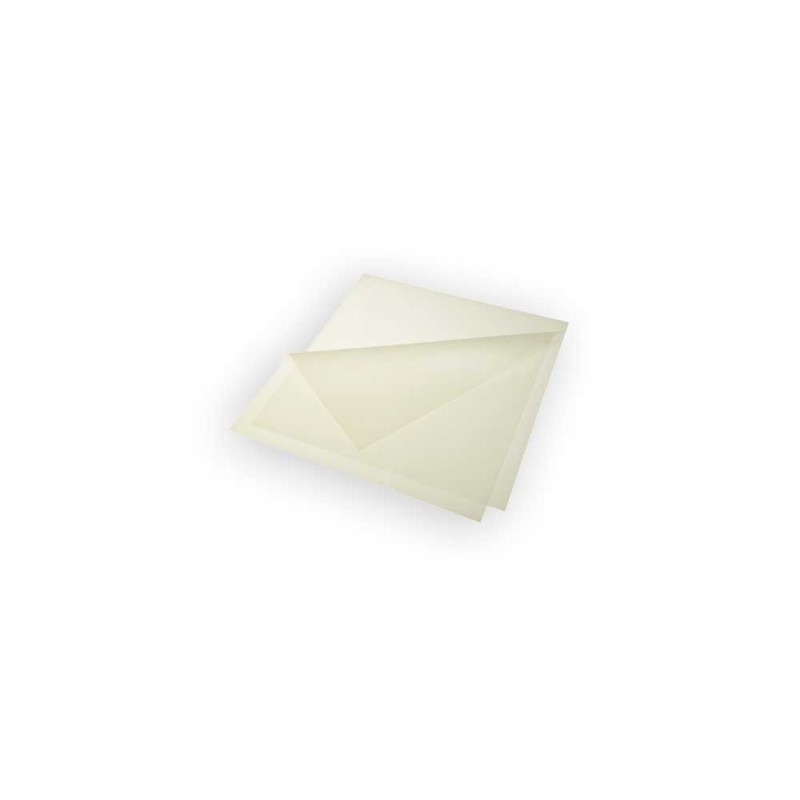
Silicone mat SM-40-1.0-500-400 for heat presses SECABO

Silicone mat SM-40-1.0-500-400 for heat presses SECABO
FOR SECABO
Silicone mat SM-40-1.0-500-400 for heat presses SECABO
  • Stock: 4
  • Manufacturer: SECABO
  • Model: SM-40-1.0-500-400
  • Weight: 0.40kg
  • Packaging dimensions: 55.00cm x 5.00cm x 5.00cm
Views: 3149
  • Thickness: 1.0 mm
  • Width: 500 mm
  • Length: 400 mm
  • Hardness: 40 Shore A
  • Area of application: Heat presses SECABO
23.90€
Ex Tax: 19.75€

Description

High quality silicone pad to compensate for irregularities, for to protect sensitive materials using a heat press. The silicone rubber membrane has an exceptionally long service life due to their outstanding heat resistance.

Specifications

Technical data
Type of rubber Silicone rubber
Compound A-SU 40-79
Material thickness 2.0 mm
Width 500 mm
Length 400 mm
Working temperature 200 °C
Hardness 40 Shore A
Elasticity 700%
Tensile strength 8 N/mm2
Density 1.13 g/cm3
Surface Smooth
Color Transparent

Applications of the silicone membrane

Used in the following fields:

  • forming of artificial stone and composite materials;
  • thermoforming of acrylic and plastics;

Advantages of silicone membranes

  • stable performance at temperatures up to 200 °C;
  • compatible with most European vacuum press models.

How to choose the membrane length?

The length must fully cover the working area of the press with a 5–10 cm margin. If you are unsure, contact us and we will recommend the correct size.

Are the membranes compatible with presses from other manufacturers?

Yes, the membranes are compatible with equipment from most European brands. Provide the press model, and we will help you choose the right length.

What is the service life of a silicone membrane?

On average, 6–12 months of regular use. The lifespan depends on temperature, materials, cleanliness of the workpieces, and the number of operating cycles.

Can a silicone membrane be used in woodworking?

Yes, silicone membranes can be used in:

  • veneering;
  • laminating and surface cladding;
  • 2D forming of complex-shaped parts;
  • production of furniture fronts, interior panels, advertising elements.

However, material specifics must be considered: silicone membranes have lower resistance to mechanical damage compared to natural rubber membranes. Therefore, for woodworking tasks involving frequent contact with sharp edges, we recommend using a natural rubber membrane, which better withstands point loads.

Reviews

There are no reviews for this product.

Write a review

Please login or register to review