

Natural Rubber Membranes for Vacuum Presses
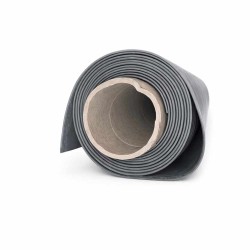
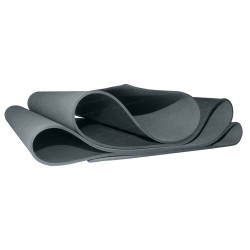
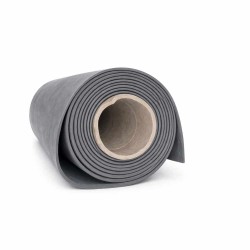
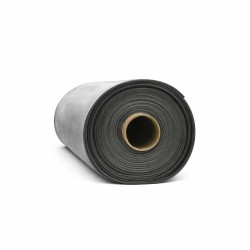
Natural rubber membranes are a proven solution for reliable vacuum pressing in woodworking and furniture manufacturing. Their high elasticity and mechanical strength help distribute pressure evenly, reproduce complex contours accurately and maintain consistent performance in daily operation.
The vacuum-presses.com catalogue includes professional natural rubber membranes for vacuum and membrane presses. They are suitable for small workshops as well as large-scale furniture production facilities throughout Europe and worldwide.
What Is a Natural Rubber Membrane and How Does It Work?
A natural rubber vacuum membrane is an elastic sheet that uses vacuum and atmospheric pressure to press the material firmly against a workpiece, mould or supporting surface. It distributes pressure evenly and follows the shape of the component, helping to prevent deformation and trapped air.
Natural rubber membranes are particularly suitable for processes that require high elasticity, tear resistance and mechanical strength at moderate operating temperatures.
Subcategories
- Thickness: 2.0 mm
- Width: 1700 mm
- Length: On request, minimal 1 m
- Hardness: 40 Shore A
- Area of application: Veneer pressing, wood bending.
- Thickness: 2.5 mm
- Width: 1700 mm
- Length: On request, minimal 1 m
- Hardness: 40 Shore A
- Area of application: Veneer pressing, wood bending.
- Thickness: 2.5 mm
- Width: 1700 mm
- Length: On request, minimal 1 m
- Hardness: 40 Shore A
- Area of application: Veneer pressing, wood bending.
- Thickness: 3.0 mm
- Width: 1700 mm
- Length: On request, minimal 1 m
- Hardness: 40 Shore A
- Area of application: Veneer pressing, wood bending.
- Thickness: 4.0 mm
- Width: 1700 mm
- Length: On request, minimal 1 m
- Hardness: 40 Shore A
- Area of application: Veneer pressing, wood bending.
- Thickness: 2.0 mm
- Width: 2000 mm
- Length: On request, minimal 1 m
- Hardness: 40 Shore A
- Area of application: Veneer pressing, wood bending.
- Thickness: 2.5 mm
- Width: 2000 mm
- Length: On request, minimal 1 m
- Hardness: 40 Shore A
- Area of application: Veneer pressing, wood bending.
- Thickness: 3.0 mm
- Width: 2000 mm
- Length: On request, minimal 1 m
- Hardness: 40 Shore A
- Area of application: Veneer pressing, wood bending.
- Thickness: 4.0 mm
- Width: 2000 mm
- Length: On request, minimal 1 m
- Hardness: 40 Shore A
- Area of application: Veneer pressing, wood bending.
- Thickness: 2.0 mm
- Width: 1700 mm
- Length: Roll of 15 m
- Hardness: 40 Shore A
- Area of application: Veneer pressing, wood bending.
- Thickness: 2.5 mm
- Width: 1700 mm
- Length: Roll of 15 m
- Hardness: 40 Shore A
- Area of application: Veneer pressing, wood bending.
- Thickness: 3.0 mm
- Width: 1700 mm
- Length: Roll of 15 m
- Hardness: 40 Shore A
- Area of application: Veneer pressing, wood bending.
Applications of Natural Rubber Membranes
Natural rubber membranes are commonly used in vacuum presses for:
- veneering flat and shaped components;
- laminating panel materials;
- veneering MDF and particleboard;
- manufacturing curved laminated components;
- covering parts with complex surface profiles.
Their tear resistance and ability to withstand repeated stretching and compression cycles make natural rubber membranes suitable for intensive daily use in furniture workshops and production facilities.
Benefits of Natural Rubber Membranes for Vacuum Presses
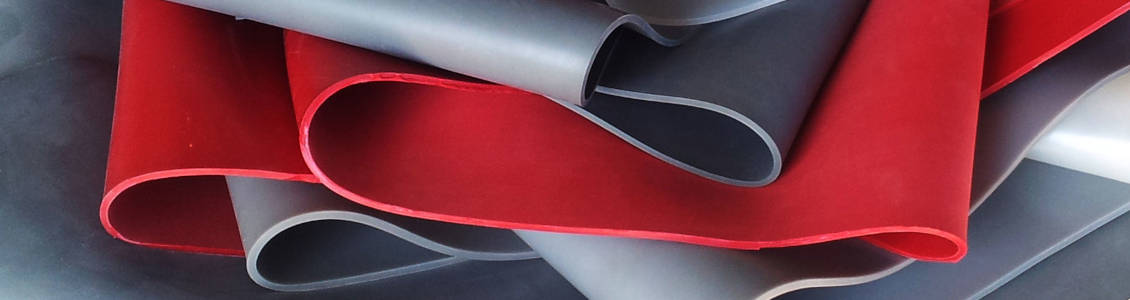
Natural rubber combines properties that make these membranes a practical and cost-effective choice for many woodworking applications.
- High elasticity — allows the membrane to adapt to complex shapes;
- Excellent tear resistance — helps withstand repeated mechanical stress;
- Consistent performance — suitable for one-off jobs and series production;
- Operating temperature up to 130 °C — depending on the selected product;
- Cost-effective operation — an economical alternative to silicone for suitable applications;
- Easy handling and replacement — simplifies routine press maintenance.
This combination of elasticity, durability and cost efficiency makes natural rubber membranes a popular choice for vacuum presses.
Natural Rubber Membranes for PVC Film Pressing
Natural rubber membranes are often associated primarily with low-temperature applications. However, selected membranes available from vacuum-presses.com are designed for operating temperatures of up to 130 °C and can be used for PVC film pressing under suitable process conditions.
When selecting a membrane for PVC film pressing, consider the operating temperature, membrane thickness, component geometry and pressing-cycle parameters. For many applications, a natural rubber membrane provides an effective balance between performance and cost.
How to Choose a Natural Rubber Membrane
To achieve consistent pressing results and a long service life, the membrane specifications must match the press, application and operating conditions.
Key Selection Parameters
- Hardness and elasticity — a higher hardness grade generally results in lower elasticity;
- Membrane thickness — affects flexibility, surface-detail reproduction and durability;
- Width and length — must correspond to the working area and clamping system of the press;
- Operating temperature — particularly important when pressing PVC films;
- Application — veneering, laminating, forming or bonding curved components;
- Production intensity — occasional use, one-off jobs or continuous series production.
For veneering components with complex shapes or detailed surfaces, a thinner and more flexible membrane may provide better contour reproduction. A thicker membrane may offer greater durability for less demanding shapes. The final choice should always be based on the press specifications and actual operating conditions.
Natural Rubber Membranes in Furniture Manufacturing
In furniture manufacturing, vacuum membranes are used daily and subjected to repeated mechanical loads. Natural rubber membranes are valued for their predictable behaviour, consistent properties and resistance to mechanical wear.
They are commonly used in the production of:
- furniture fronts;
- decorative panels;
- curved furniture components;
- doors and interior elements;
- components with deep CNC-machined profiles.
When correctly selected, installed and maintained, a natural rubber membrane can provide reliable performance and help minimise equipment downtime.
Advantages of Our Natural Rubber Membranes
We specialise in vacuum technology and supply natural rubber membranes selected for their elasticity, mechanical strength and consistent technical properties.
- professional-grade natural rubber membranes;
- different thicknesses, widths and surface finishes;
- custom-cut lengths and complete rolls, depending on the product;
- compatibility with a wide range of vacuum and membrane presses;
- consistent properties from batch to batch;
- delivery throughout Europe and worldwide.
We help you select the appropriate membrane for your application, press model and operating conditions — from small woodworking workshops to industrial furniture production lines.
Why Choose a Specialized Membrane Supplier?
A natural rubber membrane is a consumable component that directly affects pressing quality and the finished product. An unsuitable or low-quality membrane can cause damaged workpieces, production defects and equipment downtime.
Working with a specialized supplier provides:
- professional assistance with material selection;
- clear and reliable technical specifications;
- consistent product quality;
- custom sizing options;
- reliable supply and professional support.
At vacuum-presses.com, you can order natural rubber membranes for vacuum presses with worldwide delivery and receive professional assistance in selecting the appropriate hardness, thickness, width and length for your equipment.