




Vacuum Pump Maintenance Guide: How to Keep Your Becker Pump Running Efficiently
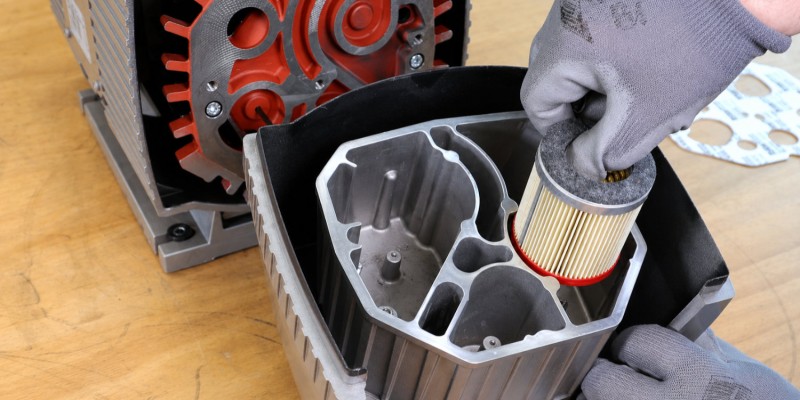
A vacuum pump is the heart of any professional vacuum press system. It creates the negative pressure required for veneering, laminating, vacuum bagging, thermoforming, and many other workshop or industrial processes. When the pump works efficiently, the press reaches vacuum faster, holds pressure more reliably, and delivers consistent pressing results. When the pump is neglected, production can become slower, less stable, and more expensive.
For many woodworking workshops and furniture manufacturers, Becker dry-running rotary vane pumps are a common choice because they are oil-free, compact, reliable, and suitable for continuous use in vacuum press applications. However, even a high-quality pump requires regular care. Proper Becker vacuum pump maintenance helps extend service life, prevent unexpected downtime, protect internal components, and keep your vacuum press system operating at full performance.
This guide explains the most important maintenance tasks, including filter inspection, cleaning, vacuum pump vanes replacement, operating environment, and practical tips for using a vacuum pump woodworking system efficiently.
Why Becker Vacuum Pump Maintenance Matters
A vacuum pump in a woodworking environment often works under demanding conditions. It may be exposed to fine wood dust, glue vapors, moisture, resin particles, and long operating cycles. Even when the pump is located away from the press table, airborne dust can gradually enter the system if filters, hoses, or fittings are not maintained correctly.
Poor maintenance can lead to several common problems:
- slower vacuum build-up;
- reduced final vacuum level;
- frequent pump overheating;
- increased noise or vibration;
- shorter vane life;
- clogged filters;
- unnecessary energy consumption;
- unstable vacuum during pressing;
- unexpected production stops.
Regular maintenance does not only protect the pump. It also protects your finished products. In vacuum pressing, stable vacuum is essential for even pressure distribution, good glue bonding, and consistent surface quality. If the pump cannot maintain proper vacuum, the quality of veneered panels, laminated parts, or pressed components may suffer.
Understand the Role of the Pump in a Vacuum Press System
Before looking at maintenance tasks, it is important to understand what the pump does in a vacuum press system.
The pump removes air from the vacuum chamber, vacuum bag, or vacuum table. As air is removed, atmospheric pressure presses the membrane or bag against the workpiece. The pump must create vacuum quickly enough and maintain it during the pressing cycle.
In a typical vacuum pump woodworking setup, the pump may be connected to:
- a vacuum press table;
- a vacuum membrane press;
- a vacuum bag;
- a vacuum station with receiver tank;
- vacuum hoses and valves;
- vacuum filters;
- control block with automatic start/stop;
- vacuum gauge or sensor.
The pump is only one part of the system. If the system has leaks, clogged filters, damaged hoses, or poor seals, the pump will work harder than necessary. This increases wear and can reduce efficiency. Therefore, good maintenance should include both the pump itself and the complete vacuum circuit.
Keep the Pump Area Clean and Ventilated
One of the simplest maintenance rules is also one of the most important: keep the pump clean and allow proper airflow.
Becker dry-running rotary vane pumps need good ventilation to remove heat during operation. If the pump is placed in a closed cabinet, under a dusty table, or too close to walls, it may overheat. Dust buildup on the motor, housing, cooling fins, or ventilation openings can also reduce cooling efficiency.
Good installation practice includes:
- keeping the pump in a dry and clean area;
- leaving enough free space around the pump;
- avoiding direct exposure to wood dust;
- cleaning dust from the pump exterior regularly;
- checking that ventilation openings are not blocked;
- avoiding operation in areas with excessive heat or moisture.
A clean pump area makes inspection easier and helps the pump run cooler. Lower operating temperature usually means less stress on internal parts and longer service life.
Check Becker Pump Filters Regularly
Filters are among the most important maintenance items. Becker pump filters help protect the pump from dust and contamination. In woodworking and vacuum pressing applications, filtration is especially important because fine particles can be pulled into the vacuum line.
A clogged filter restricts airflow. This can cause the pump to work harder, run hotter, and reach vacuum more slowly. A damaged or missing filter can allow dust to enter the pump, which may damage vanes, internal surfaces, or valves.
Common signs of filter problems include:
- reduced suction performance;
- longer time to reach vacuum;
- pump running hotter than usual;
- unusual noise;
- visible dust inside the filter housing;
- unstable vacuum level.
Filters should be inspected regularly and replaced according to operating conditions. In a clean workshop, the interval may be longer. In a dusty woodworking environment, filter replacement may be needed more frequently.
Do not wait until the filter is completely blocked. A partially clogged filter can already reduce pump efficiency and increase operating temperature.
Use External Vacuum Filters for Woodworking Applications
In woodworking, it is a good idea to use an external vacuum filter before the pump. This is especially important when the pump is connected to a vacuum press, vacuum bag, or system where dust, glue particles, or chips may enter the vacuum line.
An external filter protects the pump by collecting contamination before it reaches the pump inlet. It can also be easier and faster to inspect than internal pump filters.
For vacuum pressing, an external filter is useful for:
- protecting the pump from wood dust;
- reducing the risk of glue contamination;
- extending the life of internal filters;
- improving long-term vacuum stability;
- reducing maintenance costs.
If your vacuum station already includes an external filter, make it part of your regular inspection routine. Empty, clean, or replace the filter element when needed.
Inspect Hoses, Connections, and Seals
Many users assume that poor vacuum performance always means a pump problem. In reality, leaks in the system are very common.
A small leak in a hose, fitting, valve, gasket, bag, or membrane can cause the pump to run continuously or cycle more often. This increases wear and reduces energy efficiency. The pump may be perfectly healthy, but the system still cannot hold vacuum.
Check the complete vacuum line regularly:
- inspect hoses for cracks, flattening, or loose connections;
- check clamps and fittings;
- inspect valves and quick connectors;
- check the vacuum press seal;
- inspect the vacuum bag or membrane;
- listen for hissing sounds;
- monitor whether the system holds vacuum after the pump stops.
If the vacuum level drops quickly when the pump is off, there is likely a leak somewhere in the system. Finding and fixing leaks is one of the best ways to reduce pump workload.
Monitor Pump Sound and Temperature
Operators often notice pump problems first by sound or heat. A healthy pump usually has a stable operating sound. Changes in noise, vibration, or temperature can indicate a developing issue.
Pay attention to:
- louder operation than usual;
- rattling or knocking sounds;
- unusual vibration;
- overheating;
- burning smell;
- repeated thermal protection shutdowns;
- sudden loss of performance.
If the pump becomes much louder or hotter than normal, stop and inspect the system. Check filters, airflow, hoses, and vacuum demand. Continuing to run the pump when something is wrong can lead to more serious damage.
Vacuum Pump Vanes Replacement
Dry-running rotary vane pumps use carbon or composite vanes that move inside the pump chamber. These vanes are wear parts. Over time, they gradually become shorter due to normal friction. When they reach their minimum allowable length, they must be replaced.
Vacuum pump vanes replacement is one of the key maintenance tasks for dry-running pumps. If worn vanes are not replaced in time, the pump may lose performance, run unevenly, or suffer internal damage.
Typical signs that vanes may need inspection or replacement include:
- reduced vacuum level;
- slower pump-down time;
- increased noise;
- unstable operation;
- visible carbon dust;
- pump not reaching its usual performance;
- operating hours reaching the recommended service interval.
The exact replacement interval depends on the pump model, workload, environment, duty cycle, and operating conditions. A pump running daily in a dusty production environment will require closer monitoring than a pump used occasionally in a small workshop.
Vane replacement should always follow the correct procedure for the specific Becker pump model. The vanes must be the correct type and size, and they must be installed in the correct orientation. After replacement, the pump should be checked for smooth operation and correct vacuum performance.
Do Not Ignore Operating Hours
Many vacuum pump problems occur because maintenance is done only after a failure. A better approach is to track operating hours and create a simple maintenance schedule.
For a workshop vacuum press system, record:
- pump installation date;
- approximate daily operating time;
- filter replacement dates;
- vane inspection dates;
- vane replacement dates;
- unusual noises or performance issues;
- service actions performed.
This does not need to be complicated. A simple maintenance sheet near the vacuum station is enough. Regular tracking helps identify patterns and prevents surprises.
Avoid Running the Pump Against Problems
A pump should not be forced to compensate for poor system conditions. If the press leaks, the filter is blocked, or the vacuum line is restricted, the pump will work harder than necessary.
Avoid these mistakes:
- running the pump with clogged filters;
- using damaged hoses;
- ignoring leaks in the press or bag;
- blocking ventilation;
- using unsuitable replacement parts;
- delaying vane replacement;
- allowing glue or dust to enter the pump;
- operating the pump in a wet or dirty area.
In many cases, pump life is shortened not by one major failure but by repeated small stresses over time.
Maintain the Vacuum Receiver and Control System
Many vacuum stations include a receiver tank and automatic start/stop control. The receiver helps stabilize vacuum and reduces unnecessary pump cycling. The control system switches the pump on and off according to vacuum setpoints.
Maintenance should include:
- checking that the receiver tank is clean and dry;
- draining any collected moisture if the system design requires it;
- inspecting pressure switches or vacuum sensors;
- checking that start and stop points are set correctly;
- confirming that the pump does not cycle too frequently;
- inspecting electrical connections and contactors.
Frequent short cycling may indicate leaks, incorrect setpoints, or insufficient receiver volume. Stable control improves pump efficiency and reduces mechanical wear.
Keep Moisture and Glue Away from the Pump
Moisture and glue contamination can be serious problems. Vacuum systems used with wet materials, fresh glue, or porous workpieces may draw vapors or particles into the vacuum line.
To reduce risk:
- use suitable filtration;
- keep glue away from vacuum ports;
- avoid pulling liquid into the system;
- inspect filters after messy operations;
- clean vacuum tables and bags regularly;
- use protective layers where needed;
- check the vacuum line if glue contamination is suspected.
A vacuum pump is designed to move air, not liquid glue, wood chips, or dust. Protecting the inlet side is essential.
Choose the Right Pump for the Application
Maintenance is easier when the pump is correctly sized for the job. A pump that is too small may run continuously and struggle to reach vacuum. A pump that is poorly matched to the press volume may take too long to evacuate air. A pump used in an unsuitable environment may wear faster.
When selecting a pump for vacuum pressing, consider:
- vacuum press table size;
- vacuum bag volume;
- required pump-down time;
- final vacuum level;
- production frequency;
- leakage rate of the system;
- need for automatic control;
- use of receiver tank;
- filtration requirements.
For many woodworking and furniture applications, Becker dry-running rotary vane pumps offer a practical balance of performance, reliability, and low maintenance. However, the complete system must be designed correctly.
Practical Maintenance Schedule
A simple maintenance schedule can help keep the pump reliable.
Daily or Before Use
Check the pump area for dust, blocked ventilation, unusual smell, or visible damage. Make sure the vacuum hoses are connected properly and the press or bag is sealed correctly.
Weekly
Inspect the external filter, clean the area around the pump, check hoses and fittings, and listen for changes in pump sound. Confirm that the system reaches vacuum in the normal time.
Monthly
Inspect filter elements more carefully, check vacuum performance, look for leaks, and review operating conditions. Clean dust from the pump exterior and surrounding area.
Periodically According to Operating Hours
Inspect vanes, replace filters, check the receiver tank, inspect electrical controls, and perform model-specific service according to the pump’s working conditions.
Common Maintenance Mistakes
The most common mistakes in Becker vacuum pump maintenance are simple but costly.
One mistake is replacing the pump before checking the system. A leak, clogged filter, or damaged hose can make a good pump look weak.
Another mistake is ignoring filters. Becker pump filters are not optional accessories; they protect the pump and help maintain airflow.
A third mistake is delaying vacuum pump vanes replacement. Vanes are wear parts, and running them too long can reduce performance and increase the risk of internal damage.
Workshops also sometimes place pumps in poor locations, such as dusty corners or closed cabinets without ventilation. This can cause overheating and shorten service life.
Final Checklist
To keep your Becker pump running efficiently, follow these basic rules:
- keep the pump clean and well ventilated;
- inspect and replace filters regularly;
- use an external vacuum filter in woodworking environments;
- check hoses, seals, and fittings for leaks;
- monitor sound, temperature, and vacuum performance;
- track operating hours;
- inspect and replace vanes when required;
- protect the pump from dust, glue, and moisture;
- maintain the receiver tank and control system;
- use the correct pump size for the application.
Proper Becker vacuum pump maintenance is not difficult, but it must be consistent. A clean, protected, and correctly serviced pump will perform more efficiently, last longer, and help your vacuum press deliver reliable results every day.
For woodworking shops, furniture manufacturers, and industrial users, regular maintenance is the difference between stable production and unexpected downtime. By taking care of filters, vanes, hoses, and operating conditions, you keep your vacuum pump — and your entire vacuum pressing system — working at its best.